

ECDS and HLB Panagene have entered into a long-term exclusive partnership focused specifically on Government and Public Sector engagements in India.
This exclusivity covers activities such as sales, marketing, regulatory registrations, government tenders, R&D initiatives, and collaborations with state or central government agencies by ECDS.

Together, we aim to enhance early detection, elevate clinical accuracy, and accelerate access to precision medicine across regions.

PNA (Peptide Nucleic Acid), an artificially created DNA analogue, was first invented by Professor Nielsen, Egholm, Berg and Buchardt of the University of Copenhagen, Denmark in 1991.


Introduction of PANAMutyperTM
PANAMutyperTM combines the strengths of
PNAClampTM and PANA RealTyperTM highly sensitive and accurate mutation detection. PNAClampTM to deliver selectively suppresses wild-type DNA, enabling even small amounts of mutant DNA to be amplified. PANA RealTyperTM then identifies and differentiates multiple mutations based on their unique melting temperatures. Together, this technology allows simultaneous detection and genotyping of multiple mutations with high precision.

Introduction of PANA RealTyperTM

PANA RealTyperTM is a probe-based fluorescence melting curve technology that detects genetic mutations with high accuracy. It can identify multiple SNPs within short DNA regions using a single probe and provides clear melting peaks for easy interpretation—no advanced software required. This method is ideal for personalized medicine, origin analysis, and detecting multidrug resistant microorganisms.
Combination of PANA qPCRT technology and melting curve analysis to maximize the capacity of multiplex detection
Introduction of PNAClampTM
PNAClampTM is a PNA-based PCR technology that selectively amplifies mutated DNA while blocking wild-type sequences. Using high-affinity PNA probes that bind tightly to wild-type DNA and are not recognized by DNA polymerase, the method ensures only mutant DNA is amplified. This makes PNAClampTM a highly sensitive and reliable tool for detecting low-level mutations.

Introduction of PANA qPCRTM

PANA qPCRTM uses sequence specific PNA probes with a fluorescent reporter and quencher to deliver highly precise DNA detection. When the probe binds to its target, fluorescence is released without the probe being degraded—unlike traditional TaqMan assays. This makes PANA qPCRTM ideal for multiplexing, allelic discrimination, and highly sensitive quantitative analysis.
This advanced approach provides real-time insights into cancer development, progression, and treatment response, without the need for surgical procedures.
Oncology – Liquid Biopsy
Liquid biopsy analyzes circulating tumor DNA (ctDNA – Circulating Tumor DNA) from blood.
Gold-standard analysis using FFPE (Formalin-Fixed Paraffin-Embedded) and FNAB (Fine Needle Aspiration Biopsy)
Our infectious disease portfolio delivers rapid and precise detection of pathogens using advanced molecular technologies. These solutions support clinicians and hospitals in managing infections effectively and improving patient outcomes.
Fast and Accurate Molecular Diagnostics for Critical Infections.
Custom PNA Oligo

HLB Panagene offers high-quality, custom designed PNA oligos manufactured using our proprietary synthesis technology under ISO 9001:2015 standards. With deep expertise in PNA design and production, we provide tailored solutions for diverse research needs, along with end-to-end support—including design guidance, technical consultation, and application assistance.
γ-PNA is a backbone-modified PNA designed with a stereogenic center that allows it to naturally form an alpha-helical structure. This reduces self-aggregation, increases solubility, and enables stronger, more stable binding to target DNA. Its flexibility— allowing modifications at any γ carbon—also supports advanced applications like internal multi labeling. With its superior stability and binding performance, γ-PNA is a powerful material for diagnostics and drug development.

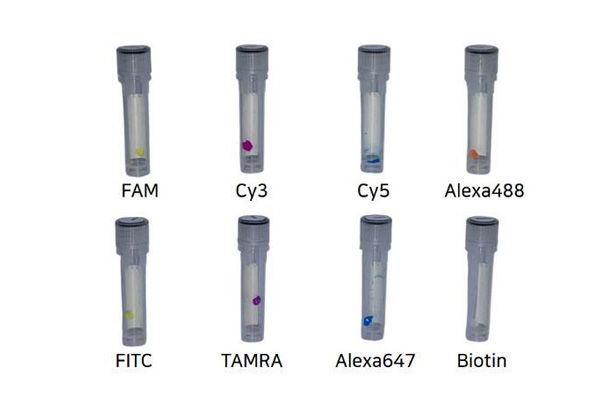
PNA FISH probes offer fast and highly specific hybridization, thanks to PNA’s electrically neutral backbone. They require low probe concentrations, produce minimal background noise, and allow stable washing under mild conditions. HLB Panagene provides telomere and centromere PNA FISH probes for telomere length analysis, available in multiple fluorescent labels.
HLB Panagene manufactures high-quality PNA building blocks, including high-purity Fmoc PNA monomers, Boc monomers, modified nucleobase monomers, and advanced γ-PNA and α-PNA monomers—offering excellent solubility, reactivity, and performance for diverse applications.


We’d love to hear from you — Let’s start the conversation.